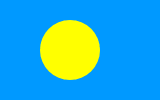
Palau – Facts, Capital & Geography | Random Country Generator
Capital
Ngerulmud
Population
18K (#191)
Currency
United States Dollar (USD)
Language
Palauan, English
Area
459 km²
National Dish
Tinola
National Flower
Plumeria
Density
46/km²
Internet TLD
.pw
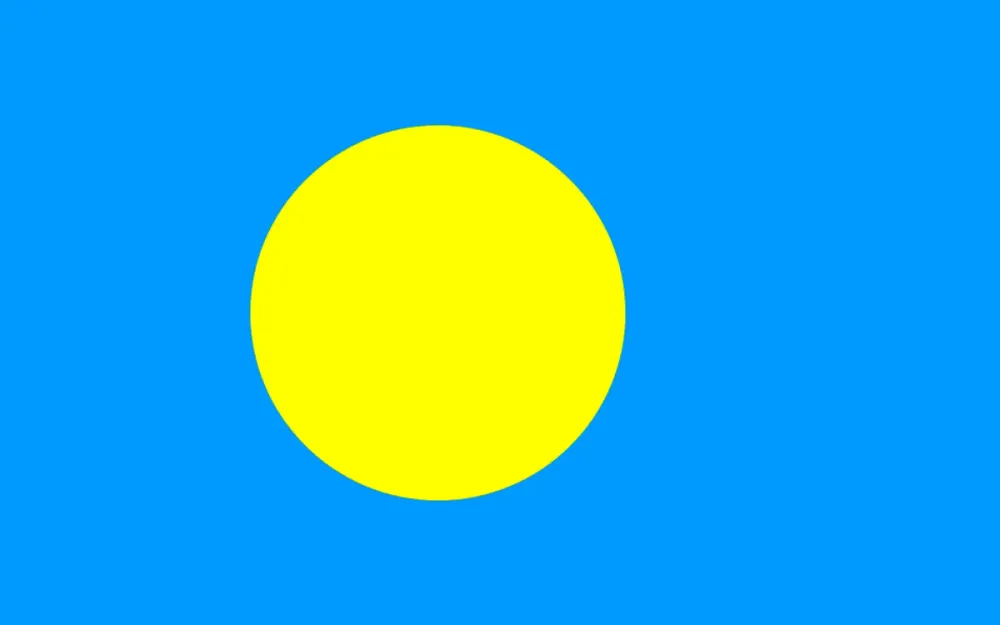
Brief History
Palau was settled by Austronesian groups before Spanish explorers arrived in the 16th century. It was sold to Germany in 1899 and occupied by Japan during WWI, serving as a major military base. Following intense fighting during WWII (such as the Battle of Peleliu), Palau was administered by the United States under a UN trusteeship, achieving full independence on October 1, 1994, as a sovereign republic.
Key Demographics & Capital
Palau has a population of approximately 18,000, with ethnic Palauans comprising over 73% of the population, followed by a significant Filipino minority (about 16%). Palauan and English are the official languages. The population density is low, with residents clustered heavily in the state of Koror and the new capital Ngerulmud, and significant emigration to the United States exists.
Geography
Palau is an archipelago of over 500 islands in the western Pacific. The Rock Islands, about 445 limestone islands covered in jungle vegetation, are spectacular. Palau has extraordinary marine biodiversity with vibrant coral reefs. The islands range from volcanic to coral formations. The marine environment is remarkably pristine.
Culture & Tradition
Palauan culture emphasizes environmental stewardship. The bai (meeting house) is the center of traditional governance. Matrilineal inheritance is practiced. Traditional stories and customs are passed down orally. The Palauan Pledge (stamped in passports) commits visitors to environmental responsibility. Fishing and farming traditions continue.
Economy
Palau's economy relies on tourism (especially diving), fishing, and US Compact of Free Association payments. The country has positioned itself as a premium eco-tourism destination. Agriculture is mostly subsistence. Palau's vast marine territory provides fishing license revenue.
Travel Highlights
Swim with stingless jellyfish in Jellyfish Lake, dive the Blue Corner (one of the world's top dive sites), kayak through the Rock Islands, snorkel pristine reefs with 500+ coral species, visit the WWII battlefield of Peleliu, and support Palau's conservation-first approach to tourism. Palau is a diver's paradise.
Fun Facts
Palau has some of the world's best diving and snorkeling.
The Rock Islands are a UNESCO World Heritage Site.
Palau created the world's first shark sanctuary.
Jellyfish Lake has millions of stingless jellyfish.
Palau was the first country to ban reef-toxic sunscreens.
The country has over 500 species of coral.
Map
Bordering & Nearby Countries
Frequently Asked Questions (FAQs)
More from Oceania
Want a surprise? Try our random Oceania country generator or pick from the entire world.

Australia
Explore Australia: from the Great Barrier Reef to the Outback. Discover unique wildlife, stunning landscapes, and vibrant cities.
Fiji
Explore Fiji: 330 islands of South Pacific paradise. Discover pristine reefs, warm Fijian hospitality, and tropical island adventures.
Kiribati
Explore Kiribati: remote Pacific atolls spanning the equator. Discover WWII history, traditional culture, and pristine ocean environments.
Marshall Islands
Explore the Marshall Islands: remote Pacific atolls and nuclear history. Discover world-class diving, stick chart navigation, and island culture.