Papua New Guinea – Facts, Capital & Geography | Random Country Generator
Capital
Port Moresby
Population
10.1 Million (#92)
Currency
Papua New Guinean Kina (PGK)
Language
English, Tok Pisin
Area
462,840 km²
National Dish
Mumu
National Flower
Rhododendron macgregoriae
Density
20/km²
Internet TLD
.pg
Brief History
Papua New Guinea was settled by Melanesian groups over 50,000 years ago, developing thousands of distinct cultures and languages. The island was partitioned in the late 19th century between Germany (German New Guinea) and Great Britain (Territory of Papua), later administered by Australia after WWI. Papua New Guinea achieved full independence on September 16, 1975, under Michael Somare.
Key Demographics & Capital
Papua New Guinea has a population of approximately 10 million, representing one of the most diverse demographic profiles in the world with over 850 distinct indigenous languages. Tok Pisin (Melanesian Pidgin), English, and Hiri Motu are the official languages, with Tok Pisin being universally spoken. The population remains overwhelmingly rural, with only about 13% living in urban areas.
Geography
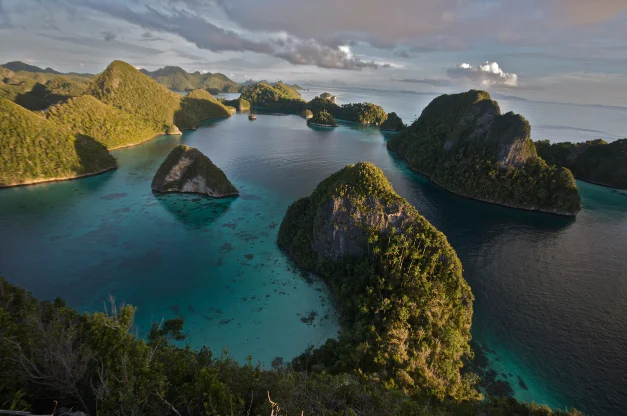
Papua New Guinea occupies the eastern half of New Guinea (the world's second-largest island) plus numerous smaller islands. The landscape is extraordinarily diverse: highland mountains over 4,500m, tropical lowlands, active volcanoes, coral reefs, and vast river systems. The interior is covered in dense rainforest. The Sepik River is one of the great rivers of the world.
Culture & Tradition
PNG has over 850 languages and extraordinary cultural diversity. Highland tribes are known for spectacular body decoration and sing-sing festivals. The Sepik River region produces world-renowned art (masks, totems, spirit houses). Traditional beliefs and customs are strong. Each community has distinct traditions, music, and dress. Papua New Guinea is one of the most culturally diverse places on Earth.
Economy
PNG's economy relies on mining (gold, copper), oil and gas (PNG LNG project), agriculture (coffee, palm oil, cocoa), and forestry. Most of the population practices subsistence agriculture. The country has vast natural resources but infrastructure challenges. Tourism is limited but growing for adventure travelers.
Travel Highlights
Trek the Kokoda Track (WWII heritage trail), attend a highland sing-sing festival, cruise the Sepik River to see traditional art and villages, dive in Kimbe Bay and Milne Bay's world-class reefs, spot birds of paradise, and experience one of Earth's last frontiers. PNG offers raw, adventurous travel for the intrepid.
Fun Facts
PNG has over 850 languages — the most linguistically diverse country on Earth.
The interior was only contacted by outsiders in the 1930s.
PNG has some of the world's most diverse coral reefs.
Traditional highland tribes have elaborate body decoration.
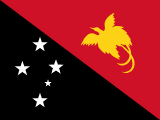
The bird of paradise is the national symbol.
The Kokoda Track is a famous WWII hiking trail.
Map
Bordering & Nearby Countries
Frequently Asked Questions (FAQs)
More from Oceania
Want a surprise? Try our random Oceania country generator or pick from the entire world.

Australia
Explore Australia: from the Great Barrier Reef to the Outback. Discover unique wildlife, stunning landscapes, and vibrant cities.
Fiji
Explore Fiji: 330 islands of South Pacific paradise. Discover pristine reefs, warm Fijian hospitality, and tropical island adventures.
Kiribati
Explore Kiribati: remote Pacific atolls spanning the equator. Discover WWII history, traditional culture, and pristine ocean environments.
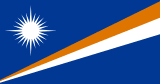
Marshall Islands
Explore the Marshall Islands: remote Pacific atolls and nuclear history. Discover world-class diving, stick chart navigation, and island culture.