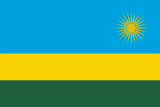
Rwanda – Facts, Capital & Geography | Random Country Generator
Capital
Kigali
Population
13.6 Million (#74)
Currency
Rwandan Franc (RWF)
Language
Kinyarwanda, French, English
Area
26,338 km²
National Dish
Isombe
National Flower
None official
Density
525/km²
Internet TLD
.rw
Brief History
Rwanda was a centralized kingdom ruled by Tutsi monarchs for centuries before German colonization in 1884, later administered by Belgium after WWI under a League of Nations mandate. The Belgian administration favored the Tutsi minority, deepening ethnic divisions. The country achieved independence in 1962 following a Hutu uprising. Extreme ethnic tensions culminated in the horrific 1994 Rwandan Genocide, subsequently stabilized under Paul Kagame.
Key Demographics & Capital
Rwanda has a population of approximately 14 million, making it the most densely populated nation in mainland Africa with over 520 people per square kilometer. The population is divided ethnically into Hutus, Tutsis, and Twa, though the government has banned ethnic categorization to foster national reconciliation. Kinyarwanda, French, English, and Swahili are the official languages, with Kinyarwanda universally spoken.
Geography
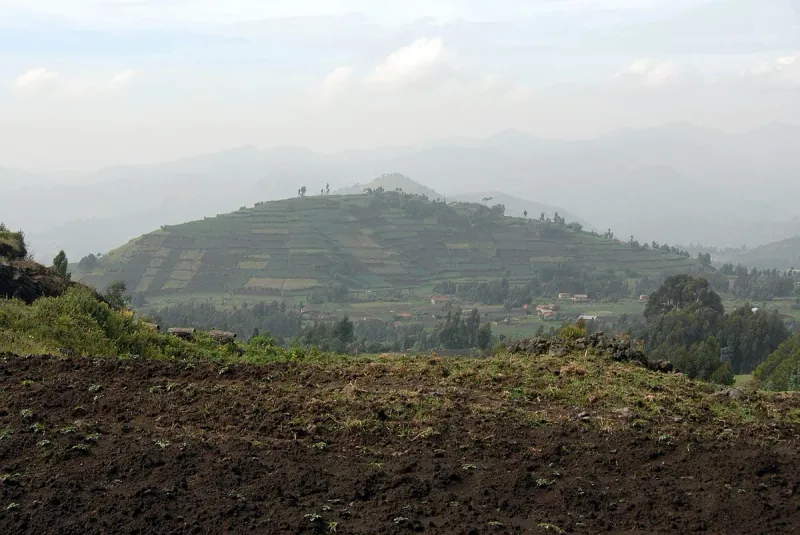
Rwanda is a small, landlocked country in the Great Lakes region of East-Central Africa. Known as the 'Land of a Thousand Hills,' the terrain is dominated by steep mountains and deep valleys. Volcanoes National Park in the northwest is home to mountain gorillas. Lake Kivu is one of the African Great Lakes along the western border.
Culture & Tradition
Rwandan culture emphasizes unity and reconciliation following the 1994 genocide. Traditional dance, particularly the Intore warrior dance, is celebrated. The country has a strong coffee culture. Community service (Umuganda) is practiced monthly. Imigongo art (cow dung art) and basket weaving are traditional crafts. The Kwita Izina gorilla naming ceremony is a unique cultural event.
Economy
Rwanda has achieved remarkable economic growth and development. The economy is driven by services (tourism, finance, IT), agriculture (coffee, tea), and mining (coltan, tin). Gorilla trekking tourism brings significant revenue. Kigali is positioning itself as a conference and tech hub. Vision 2050 aims for upper-middle-income status.
Travel Highlights
Trek to see mountain gorillas in Volcanoes National Park, visit the Kigali Genocide Memorial, explore Nyungwe Forest for chimpanzees, relax by Lake Kivu, and experience the clean, organized streets of Kigali. Akagera National Park offers Big Five safari experiences. Rwanda offers transformative travel experiences.
Fun Facts
Rwanda is called the 'Land of a Thousand Hills.'
Kigali is considered one of the cleanest cities in Africa.
Rwanda has the highest percentage of women in parliament worldwide.
Mountain gorillas are one of Rwanda's most precious treasures.
Rwanda bans single-use plastic bags.
The country has achieved remarkable economic growth since the 1994 genocide.
Map
Bordering & Nearby Countries
Frequently Asked Questions (FAQs)
More from Africa
Want a surprise? Try our random Africa country generator or pick from the entire world.
Algeria
Discover Algeria: Africa's largest country. From Saharan landscapes to Mediterranean coasts, explore ancient ruins and Berber culture.
Angola
Explore Angola: from Kalandula Falls to Atlantic beaches. Discover vibrant culture, wildlife, and Southern African landscapes.
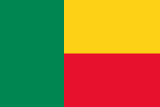
Benin
Discover Benin: birthplace of Voodoo. Explore Dahomey palaces, floating villages, and rich West African traditions.
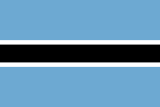
Botswana
Explore Botswana: home of the Okavango Delta and incredible safaris. Discover elephants, Kalahari landscapes, and African wilderness.