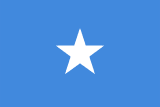
Somalia – Facts, Capital & Geography | Random Country Generator
Capital
Mogadishu
Population
17.1 Million (#70)
Currency
Somali Shilling (SOS)
Language
Somali, Arabic
Area
637,657 km²
National Dish
Canjeero
National Flower
None official
Density
25/km²
Internet TLD
.so
Brief History
Somalia was home to powerful medieval sultanates, including the Adal Sultanate and the Ajuran Empire, which controlled Indian Ocean trade. It was partitioned in the late 19th century between Britain (British Somaliland) and Italy (Italian Somaliland). The two territories unified to achieve independence on July 1, 1960. The collapse of Siad Barre's regime in 1991 plunged the nation into a prolonged civil conflict.
Key Demographics & Capital
Somalia has a population of approximately 17 million, presenting a highly homogeneous demographic profile with ethnic Somalis comprising over 85% of the citizens. Somali and Arabic are the official languages, with Somali written in the Latin alphabet since 1972. The population is overwhelmingly young and nomadic, concentrated in the central and southern regions, with major urbanization in Mogadishu.
Geography
Somalia occupies the Horn of Africa with the longest coastline on the African mainland. The landscape ranges from the semi-arid northern highlands to the Jubba and Shebelle river valleys in the south. The coast features both sandy beaches and dramatic cliffs. The northern region (Somaliland) has more mountainous terrain.
Culture & Tradition
Somali culture is centered on poetry, which is considered the supreme art form. Clan identity is fundamental to social organization. Nomadic pastoralism has shaped cultural values including hospitality and resilience. Somali cuisine features dishes like canjeero (flatbread), bariis (rice), and camel milk. Islam is the predominant religion.
Economy
Somalia's economy is largely informal, based on livestock (camels, cattle, goats), agriculture, and remittances from the diaspora. Telecommunications has developed rapidly. Fishing and frankincense exports have potential. The livestock trade, particularly with Gulf states, is significant.
Travel Highlights
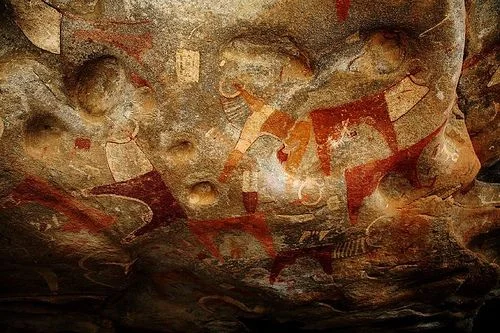
Somaliland offers safer travel options including the cave paintings of Laas Geel, the port city of Berbera with its beaches, and the historic city of Hargeisa. The Somali coastline has pristine diving potential. Ancient trading port ruins dot the coast. Travel requires careful planning and security awareness.
Fun Facts
Somalia has the longest coastline in mainland Africa.
Somalis are one of the most culturally homogeneous peoples in Africa.
Camel milk is a staple of Somali diet.
Somalia is believed to be the ancient Land of Punt.
Oral poetry is considered the highest art form.
The Somali language was not written until 1972.
Map
Bordering & Nearby Countries
Frequently Asked Questions (FAQs)
More from Africa
Want a surprise? Try our random Africa country generator or pick from the entire world.
Algeria
Discover Algeria: Africa's largest country. From Saharan landscapes to Mediterranean coasts, explore ancient ruins and Berber culture.
Angola
Explore Angola: from Kalandula Falls to Atlantic beaches. Discover vibrant culture, wildlife, and Southern African landscapes.
Benin
Discover Benin: birthplace of Voodoo. Explore Dahomey palaces, floating villages, and rich West African traditions.
Botswana
Explore Botswana: home of the Okavango Delta and incredible safaris. Discover elephants, Kalahari landscapes, and African wilderness.