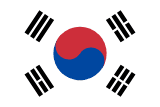
South Korea – Facts, Capital & Geography | Random Country Generator
Capital
Seoul
Population
51.7 Million (#29)
Currency
South Korean Won (KRW)
Language
Korean
Area
100,210 km²
National Dish
Kimchi-jjigae
National Flower
Hibiscus
Density
527/km²
Internet TLD
.kr
Brief History
South Korea was part of the ancient kingdoms of Baekje, Silla, and Goguryeo, later unified under the Goryeo and Joseon dynasties before Japanese colonization in 1910. Following WWII, the peninsula was divided, and the Republic of Korea was established on August 15, 1948. The country underwent the Korean War (1950–1953) and rapid industrialization (the Miracle on the Han River), transitioning to democracy in 1987.
Key Demographics & Capital
South Korea has a population of approximately 51.7 million, exhibiting high ethnic homogeneity with ethnic Koreans comprising virtually the entire population. Korean is the state language, written in the Hangul script. The population is highly urbanized, with over 81% concentrated in cities, and is characterized by a low birth rate and a rapidly aging demographic profile, leading to population decline.
Geography
South Korea occupies the southern half of the Korean Peninsula in East Asia. About 70% of the country is mountainous, with the Taebaek range running along the east coast. The Han River flows through Seoul. The southern and western coastlines have numerous islands. Jeju Island, a volcanic island off the southern coast, is a popular resort destination.
Culture & Tradition
Korean culture has experienced a global wave known as 'Hallyu' (Korean Wave), driven by K-pop, K-dramas, and Korean cinema. Traditional culture includes hanbok (clothing), kimchi making, and Confucian values. Korean cuisine (bibimbap, Korean BBQ, tteokbokki) is increasingly popular worldwide. Technology and beauty industries are cultural exports.
Economy
South Korea has the 10th-largest economy in the world. Major conglomerates (chaebols) like Samsung, Hyundai, LG, and SK drive the economy. Key sectors include electronics, semiconductors, automotive, shipbuilding, and K-content (entertainment). South Korea transformed from a war-torn nation to a high-tech powerhouse in just a few decades.
Travel Highlights
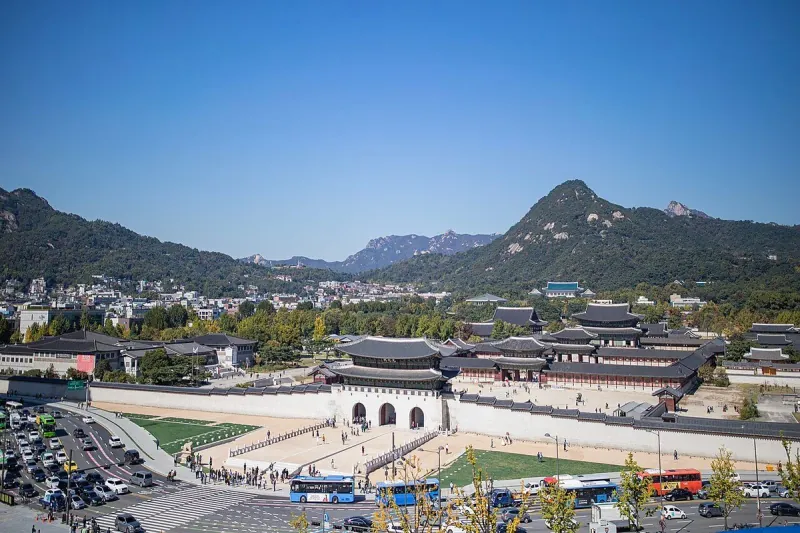
Explore Seoul's palaces (Gyeongbokgung), Myeongdong shopping district, and N Seoul Tower. Visit the DMZ border area, hike in Seoraksan National Park, relax on Jeju Island's beaches, and experience traditional hanok villages in Jeonju and Bukchon. Korean street food markets and K-pop concerts are must-do experiences.
Fun Facts
South Korea has the fastest internet speed in the world.
K-pop and K-dramas have become a global cultural phenomenon.
Kimchi is served with almost every meal.
South Korea has a professional StarCraft e-sports league.
Seoul's Incheon Airport is consistently rated the world's best.
South Korea invented metal movable type printing before Gutenberg.
Map
Bordering & Nearby Countries
Frequently Asked Questions (FAQs)
More from Asia
Want a surprise? Try our random Asia country generator or pick from the entire world.
Afghanistan
Discover Afghanistan: Hindu Kush mountains and ancient Silk Road heritage. Explore Bamiyan Valley, Herat's architecture, and Afghan culture.
Armenia
Explore Armenia: first Christian nation. Discover ancient monasteries, Lake Sevan, and Caucasus mountain heritage.
Azerbaijan
Explore Azerbaijan: Land of Fire. Discover Baku's Flame Towers, ancient walled city, mud volcanoes, and Caspian Sea heritage.

Bahrain
Explore Bahrain: ancient Dilmun heritage and modern Gulf culture. Discover pearl diving history, Formula One, and island archipelago charm.