Sudan – Facts, Capital & Geography | Random Country Generator
Capital
Khartoum
Population
46.9 Million (#32)
Currency
Sudanese Pound (SDG)
Language
Arabic, English
Area
1,886,068 km²
National Dish
Ful Medames
National Flower
None official
Density
25/km²
Internet TLD
.sd
Brief History
Sudan was the seat of the ancient Kingdom of Kush, which ruled Egypt as the 25th Dynasty. It adopted Islam under the Funj Sultanate and was later conquered by Egypt, becoming the Anglo-Egyptian condominium of Sudan in 1899. Sudan achieved independence on January 1, 1956. The country's post-independence history has been marked by long civil wars, military coups, and the secession of South Sudan in 2011.
Key Demographics & Capital
Sudan has a population of approximately 46 million, comprising several ethnic groups, with Sudanese Arabs (70%) being the largest, followed by Fur, Beja, and Nubian minorities. Both Arabic and English are the official languages, with Sudanese Arabic being universally spoken. The population is predominantly young (median age of 19) and rural, concentrated along the Nile river valley and Khartoum.
Geography
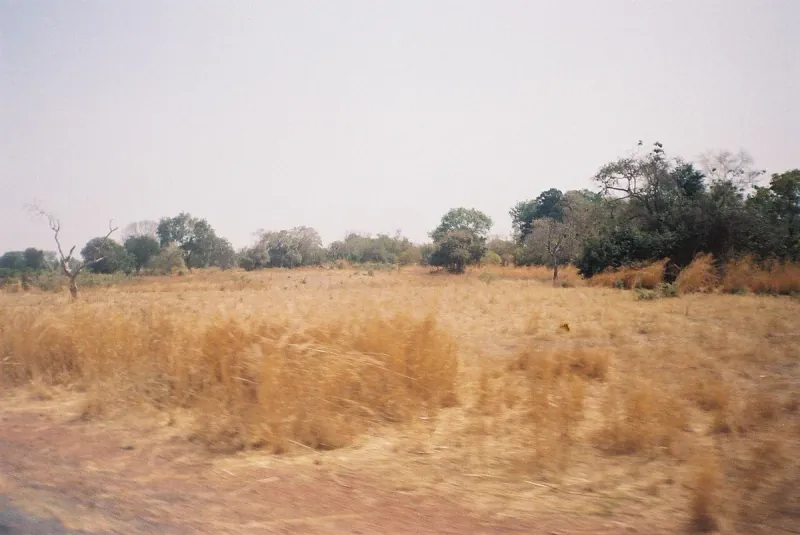
Sudan is a large country in northeastern Africa. The Nile River and its tributaries (Blue and White Nile) converge at Khartoum. The landscape includes the Nubian and Libyan deserts in the north, semi-arid Sahel, and more fertile regions in the south. The Red Sea coast provides access to marine resources.
Culture & Tradition
Sudanese culture blends Arab and African traditions. The ancient Nubian and Kushite civilizations left remarkable archaeological heritage. Sudanese music features instruments like the tambour and oud. Coffee and tea ceremonies are important social rituals. Sudanese cuisine includes ful medames, kisra (flatbread), and mulah (stew).
Economy
Sudan's economy relies on agriculture (cotton, sesame, gum arabic — world's largest producer), gold mining, and livestock. Oil production decreased significantly after South Sudan's independence. The Nile provides irrigation for agriculture. The country faces economic challenges including inflation and sanctions.
Travel Highlights
Explore the pyramids of Meroë (UNESCO), visit the ancient temples of Naga and Musawwarat, discover the confluence of the Blue and White Nile in Khartoum, experience Sufi whirling dervish ceremonies, and dive in the Red Sea at Port Sudan. Sudan's archaeological sites rival Egypt's but with far fewer visitors.
Fun Facts
Sudan has more ancient pyramids than Egypt.
Khartoum sits at the confluence of the Blue and White Nile.
Sudan was the largest country in Africa until South Sudan's independence.
The ancient Kingdom of Kush rivaled Egypt.
Sudan has over 200 pyramids at Meroë.
The Nubian Desert contains some of the oldest settlements in Africa.
Map
Bordering & Nearby Countries
Frequently Asked Questions (FAQs)
More from Africa
Want a surprise? Try our random Africa country generator or pick from the entire world.
Algeria
Discover Algeria: Africa's largest country. From Saharan landscapes to Mediterranean coasts, explore ancient ruins and Berber culture.
Angola
Explore Angola: from Kalandula Falls to Atlantic beaches. Discover vibrant culture, wildlife, and Southern African landscapes.
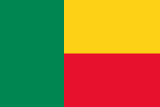
Benin
Discover Benin: birthplace of Voodoo. Explore Dahomey palaces, floating villages, and rich West African traditions.
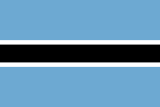
Botswana
Explore Botswana: home of the Okavango Delta and incredible safaris. Discover elephants, Kalahari landscapes, and African wilderness.