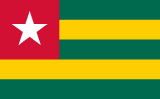
Togo – Facts, Capital & Geography | Random Country Generator
Capital
Lomé
Population
8.8 Million (#100)
Currency
West African CFA Franc (XOF)
Language
French
Area
56,785 km²
National Dish
Akume
National Flower
None official
Density
148/km²
Internet TLD
.tg
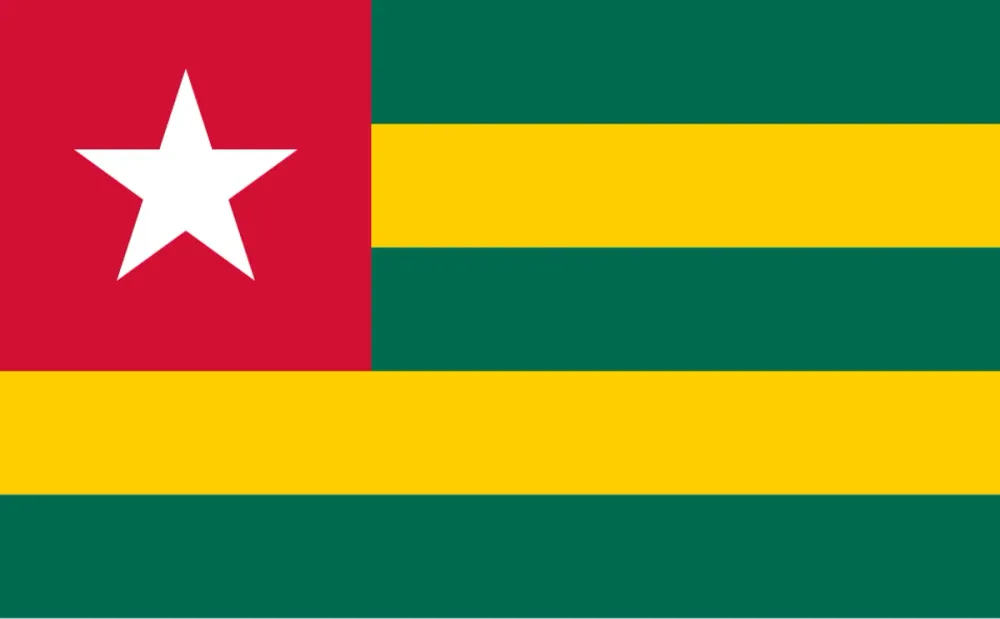
Brief History
Togo was part of the Slave Coast where European traders purchased captives from local kingdoms, before becoming a German protectorate known as Togoland in 1884. Following Germany's defeat in World War I, the territory was split, with France administering the eastern portion that became modern Togo. Togo achieved independence from France on April 27, 1960, under Sylvanus Olympio, who was assassinated in a 1963 military coup. Gnassingbé Eyadéma seized power in 1967 and ruled for 38 years, succeeded by his son Faure Gnassingbé in 2005.
Key Demographics & Capital
Togo has a population of approximately 8.8 million, comprising over 30 distinct ethnic groups, with the Ewe (32%) in the south and Kabye (16%) in the north being the largest. French is the official language of government and instruction, while Ewe and Kabye are recognized as national languages. The population is highly concentrated in the southern coastal region near the capital, Lomé, while the northern savanna is less densely settled. The country has a young population, with over 40% of residents under the age of 15.
Geography
Togo is a narrow country in West Africa, stretching from the Gulf of Guinea coast northward. Despite its small size, landscapes vary from sandy beaches to plateaus, savannas, and the Togo Mountains. The Mono River provides water resources. The climate transitions from tropical in the south to semi-arid in the north.
Culture & Tradition
Togolese culture is diverse with over 30 ethnic groups. Voodoo (Vodun) traditions are strong, with the Akodessawa Market in Lomé being the world's largest fetish market. The Batammariba people's Tata Somba tower houses (UNESCO) reflect remarkable architectural traditions. Traditional dance and music are vibrant.
Economy
Togo's economy relies on agriculture (cocoa, coffee, cotton), phosphate mining, and re-export trade through the port of Lomé. The port is a major transshipment hub for the region. Small-scale commerce and services employ many people. The country is working to develop tourism.
Travel Highlights
Visit the Akodessawa Fetish Market, explore the Tata Somba traditional houses of the Tamberma Valley (UNESCO), relax on Lomé's beaches, hike in the Togo Mountains, and discover Koutammakou landscape. The Fazao-Malfakassa National Park offers wildlife and hiking.
Fun Facts
Togo is one of the smallest countries in Africa.
The Akodessawa Fetish Market is the world's largest voodoo market.
Togo has a unique tradition of elaborate funeral celebrations.
The Tamberma Valley has fortress-like traditional houses.
Togo produces high-quality cocoa and coffee.
The country changes landscapes dramatically from coast to mountains.
Map
Bordering & Nearby Countries
Frequently Asked Questions (FAQs)
More from Africa
Want a surprise? Try our random Africa country generator or pick from the entire world.
Algeria
Discover Algeria: Africa's largest country. From Saharan landscapes to Mediterranean coasts, explore ancient ruins and Berber culture.
Angola
Explore Angola: from Kalandula Falls to Atlantic beaches. Discover vibrant culture, wildlife, and Southern African landscapes.
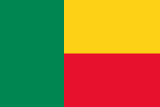
Benin
Discover Benin: birthplace of Voodoo. Explore Dahomey palaces, floating villages, and rich West African traditions.
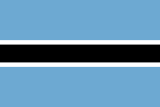
Botswana
Explore Botswana: home of the Okavango Delta and incredible safaris. Discover elephants, Kalahari landscapes, and African wilderness.