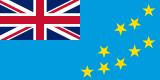
Tuvalu – Facts, Capital & Geography | Random Country Generator
Capital
Funafuti
Population
12K (#193)
Currency
Australian Dollar (AUD)
Language
Tuvaluan, English
Area
26 km²
National Dish
Palusami
National Flower
None official
Density
461/km²
Internet TLD
.tv
Brief History
Tuvalu, formerly known as the Ellice Islands, was settled by Polynesian navigators around 3,000 years ago, maintaining close links with Samoa and Tonga. It was declared a British protectorate in 1892 as part of the Gilbert and Ellice Islands Colony, which depended on phosphate mining and coconut plantations. The Ellice Islands voted to separate from the Micronesian Gilbert Islands in 1974, achieving independence as Tuvalu on October 1, 1978. As one of the lowest-lying nations on Earth, Tuvalu is a leading global advocate for climate change action due to rising sea levels.
Key Demographics & Capital
Tuvalu has a population of approximately 12,000, making it one of the smallest sovereign nations in the world. Ethnic Tuvaluans (of Polynesian descent) make up about 96% of the residents. Tuvaluan and English are the official languages, with Tuvaluan spoken in daily life and English used in government administration. The population is highly concentrated in the capital Funafuti, where over half of the country's residents live on a narrow atoll. Due to limited land area and soil salinity, agricultural output is minimal, and many young Tuvaluans work abroad on international merchant ships.
Geography
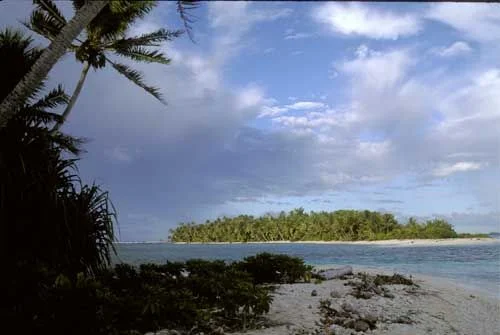
Tuvalu is a chain of nine tiny coral atolls in the Pacific Ocean, midway between Hawaii and Australia. The total land area is just 26 square kilometers. All islands are extremely low-lying, with a maximum elevation of 4.6 meters. The country faces existential threat from rising sea levels. The marine territory is vast compared to the land area.
Culture & Tradition
Tuvaluan culture is Polynesian with strong community and family bonds. Music, dance, and traditional crafts (weaving, fishing) are important. The fatele is a traditional music and dance performance. Te ano (a game similar to volleyball using a heavy ball) is popular. Church and community gatherings are central to social life.
Economy
Tuvalu's economy is one of the world's smallest. Revenue comes from fishing licenses, the '.tv' internet domain lease, remittances, stamps, and foreign aid. The Tuvalu Trust Fund provides a financial cushion. Climate change adaptation is a major economic and existential concern.
Travel Highlights
Tuvalu is one of the world's least-visited countries. Visitors can experience authentic Pacific island life on Funafuti, swim in the lagoon, watch traditional fatele performances, visit outer atolls, and witness firsthand the impacts of climate change on a low-lying nation. Reaching Tuvalu requires flights from Fiji or Kiribati.
Fun Facts
Tuvalu is the fourth-smallest country in the world.
The country earned millions from selling its '.tv' internet domain.
Tuvalu is one of the most threatened nations by sea-level rise.
The total land area is just 26 square kilometers.
Tuvalu has no military.
The highest point is just 4.6 meters above sea level.
Map
Bordering & Nearby Countries
Frequently Asked Questions (FAQs)
More from Oceania
Want a surprise? Try our random Oceania country generator or pick from the entire world.

Australia
Explore Australia: from the Great Barrier Reef to the Outback. Discover unique wildlife, stunning landscapes, and vibrant cities.
Fiji
Explore Fiji: 330 islands of South Pacific paradise. Discover pristine reefs, warm Fijian hospitality, and tropical island adventures.
Kiribati
Explore Kiribati: remote Pacific atolls spanning the equator. Discover WWII history, traditional culture, and pristine ocean environments.
Marshall Islands
Explore the Marshall Islands: remote Pacific atolls and nuclear history. Discover world-class diving, stick chart navigation, and island culture.