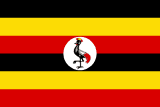
Uganda – Facts, Capital & Geography | Random Country Generator
Capital
Kampala
Population
47.2 Million (#31)
Currency
Ugandan Shilling (UGX)
Language
English, Swahili
Area
241,551 km²
National Dish
Matoke
National Flower
Grey Crowned Crane
Density
213/km²
Internet TLD
.ug
Brief History
Uganda was home to powerful kingdoms, including Buganda, Bunyoro, and Tooro, before becoming a British protectorate in 1894 under colonial treaties. It achieved independence from the United Kingdom on October 9, 1962, under Milton Obote. The country suffered severe economic collapse and human rights abuses in the 1970s under the military dictatorship of Idi Amin, who expelled the nation's Asian minority. Stability was restored after Yoweri Museveni seized power in 1986, though the country faced subsequent conflicts like the Lord's Resistance Army insurgency in the north.
Key Demographics & Capital
Uganda has a population of approximately 47.2 million, presenting a diverse demographic profile composed of over 40 distinct Bantu- and Nilotic-speaking ethnic groups, with the Baganda (16%) being the largest. English and Swahili are the official languages, with Luganda widely spoken as a lingua franca in central regions. The population is predominantly rural, concentrated in the fertile south around Lake Victoria, while the northern regions are less densely settled. Uganda has a very young population and hosts over 1.5 million refugees, primarily from South Sudan and Congo.
Geography
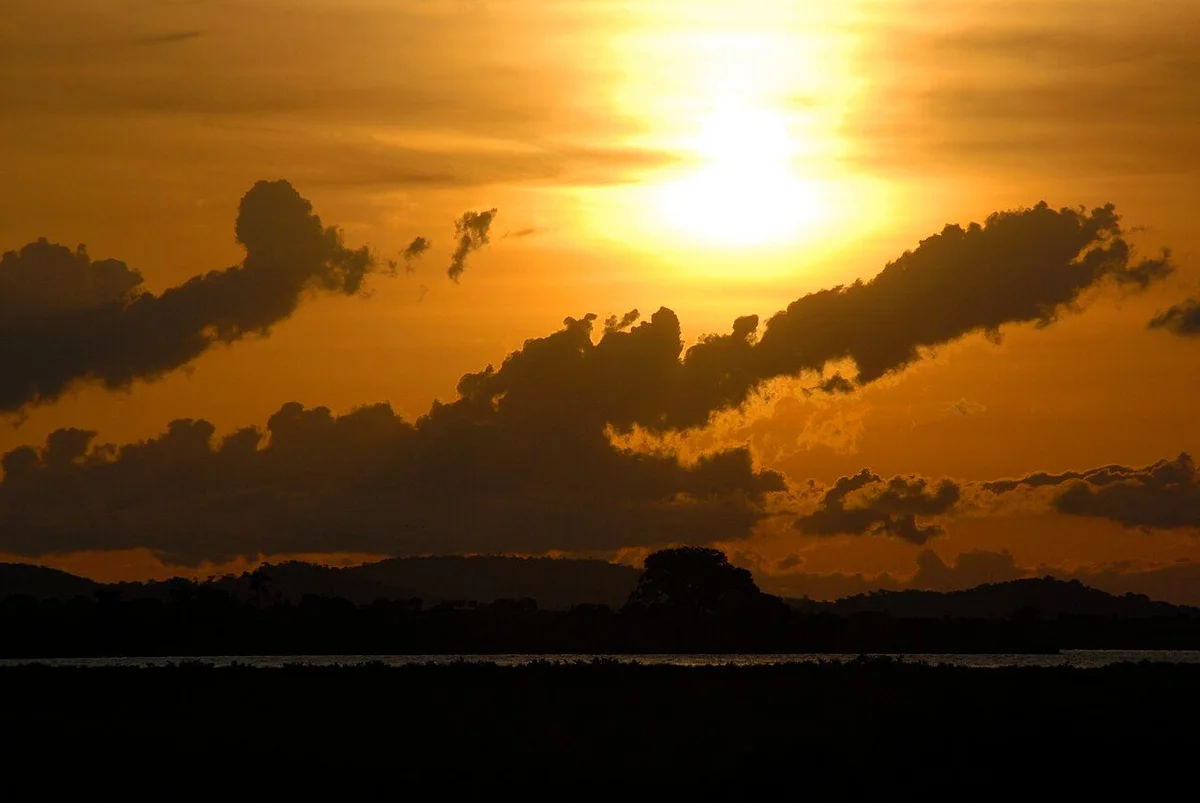
Uganda is a landlocked country in East Africa, straddling the equator. The country features diverse landscapes including Lake Victoria (shared with Kenya and Tanzania), the Rwenzori Mountains ('Mountains of the Moon'), the source of the Nile at Jinja, tropical forests, and savanna. Uganda has remarkable biodiversity.
Culture & Tradition
Uganda has over 50 ethnic groups with diverse traditions. The Buganda kingdom is the largest traditional kingdom. Music and dance vary by region, with traditional instruments including the amadinda (xylophone) and engalabi drum. Ugandan cuisine features matoke (steamed banana), groundnut sauce, and rolex (rolled chapati with eggs).
Economy
Uganda's economy is based on agriculture (coffee — a major export, tea, flowers), mining (gold), and services. Tourism centered on gorilla trekking and wildlife is significant. Oil discoveries in the Albertine Rift have future economic potential. The country has a growing tech startup scene.
Travel Highlights
Trek with mountain gorillas in Bwindi Impenetrable Forest, raft the Nile at Jinja, spot tree-climbing lions in Queen Elizabeth National Park, explore the Rwenzori Mountains, cruise the Kazinga Channel for hippos, and visit Murchison Falls. Uganda offers some of the best wildlife experiences in Africa at accessible prices.
Fun Facts
Uganda is called the 'Pearl of Africa.'
The source of the Nile is at Jinja, Uganda.
Uganda has about half of the world's remaining mountain gorillas.
Lake Victoria is Africa's largest lake by area.
Uganda has the youngest population in the world.
Bwindi Impenetrable Forest is one of the most biodiverse places on Earth.
Map
Bordering & Nearby Countries
Frequently Asked Questions (FAQs)
More from Africa
Want a surprise? Try our random Africa country generator or pick from the entire world.
Algeria
Discover Algeria: Africa's largest country. From Saharan landscapes to Mediterranean coasts, explore ancient ruins and Berber culture.
Angola
Explore Angola: from Kalandula Falls to Atlantic beaches. Discover vibrant culture, wildlife, and Southern African landscapes.
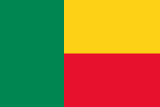
Benin
Discover Benin: birthplace of Voodoo. Explore Dahomey palaces, floating villages, and rich West African traditions.
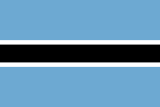
Botswana
Explore Botswana: home of the Okavango Delta and incredible safaris. Discover elephants, Kalahari landscapes, and African wilderness.