
United Arab Emirates – Facts, Capital & Geography | Random Country Generator
Capital
Abu Dhabi
Population
10.0 Million (#94)
Currency
UAE Dirham (AED)
Language
Arabic
Area
83,600 km²
National Dish
Harees
National Flower
Tribulus omanense
Density
112/km²
Internet TLD
.ae
Brief History
The United Arab Emirates was formerly known as the Trucial States, a collection of sheikhdoms that entered into maritime protection treaties with Great Britain in the 19th century. Following the British decision to withdraw from the region, six emirates unified to form the UAE on December 2, 1971, with Ras al-Khaimah joining the federation in 1972. Under the leadership of Sheikh Zayed bin Sultan Al Nahyan, the nation used oil revenues to rapidly transform from a quiet pearl-fishing coast into a global trade hub.
Key Demographics & Capital
The UAE has a population of approximately 10 million, with a unique demographic structure where foreign expatriates comprise over 88% of the total population. The largest expatriate communities originate from India, Pakistan, Bangladesh, and the Philippines, while Emirati citizens make up only about 11% of the residents. Arabic is the official language, though English is widely used in commercial and daily communication. The population is highly urbanized, concentrated in the coastal cities of Dubai and Abu Dhabi.
Geography
The UAE is a federation of seven emirates on the Arabian Peninsula's southeastern coast. The landscape is predominantly flat desert with sand dunes, salt flats, and oases. The Al Hajar Mountains rise in the northeast (shared with Oman). The coastline stretches along the Persian Gulf and Gulf of Oman. Dubai and Abu Dhabi feature extensively reclaimed coastlines.
Culture & Tradition
Emirati culture blends Bedouin traditions with ultra-modern cosmopolitanism. Falconry, camel racing, and pearl diving are traditional practices. The UAE has become a global center for arts and culture with the Louvre Abu Dhabi. Arabic coffee and dates represent hospitality. The country has a highly diverse expatriate population from around the world.
Economy
The UAE has one of the most diversified economies in the Gulf. While oil (mainly Abu Dhabi) remains important, Dubai has become a global hub for finance, trade, tourism, and aviation. Emirates airline and Dubai's ports are major economic assets. Abu Dhabi Investment Authority is one of the world's largest sovereign wealth funds.
Travel Highlights
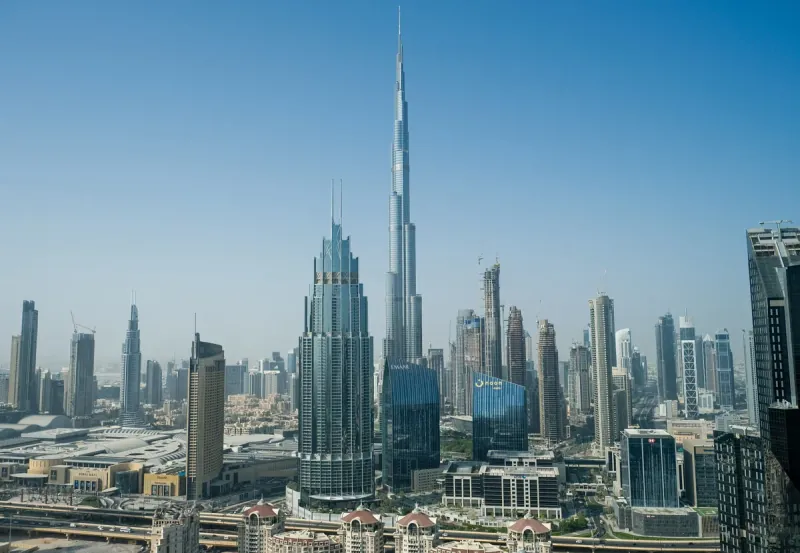
Visit the record-breaking Burj Khalifa and Dubai Mall, explore the Louvre Abu Dhabi, experience desert safaris with dune bashing, discover the traditional Al Fahidi Historical Neighbourhood, relax on Dubai's beaches, visit the Sheikh Zayed Grand Mosque in Abu Dhabi, and explore the mountain town of Hatta. The UAE offers futuristic luxury alongside desert tradition.
Fun Facts
The Burj Khalifa in Dubai is the world's tallest building at 828 meters.
The UAE was formed in 1971 from seven emirates.
Dubai's Palm Jumeirah is visible from space.
The UAE has the world's first 3D-printed office building.
Abu Dhabi owns the most expensive license plate ever sold.
The country went from pearling villages to megacities in just 50 years.
Map
Bordering & Nearby Countries
Frequently Asked Questions (FAQs)
More from Asia
Want a surprise? Try our random Asia country generator or pick from the entire world.
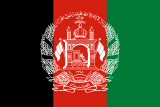
Afghanistan
Discover Afghanistan: Hindu Kush mountains and ancient Silk Road heritage. Explore Bamiyan Valley, Herat's architecture, and Afghan culture.
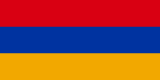
Armenia
Explore Armenia: first Christian nation. Discover ancient monasteries, Lake Sevan, and Caucasus mountain heritage.
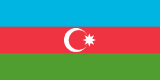
Azerbaijan
Explore Azerbaijan: Land of Fire. Discover Baku's Flame Towers, ancient walled city, mud volcanoes, and Caspian Sea heritage.

Bahrain
Explore Bahrain: ancient Dilmun heritage and modern Gulf culture. Discover pearl diving history, Formula One, and island archipelago charm.