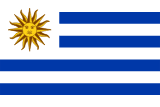
Uruguay – Facts, Capital & Geography | Random Country Generator
Capital
Montevideo
Population
3.4 Million (#131)
Currency
Uruguayan Peso (UYU)
Language
Spanish
Area
176,215 km²
National Dish
Asado
National Flower
Ceibo
Density
19/km²
Internet TLD
.uy
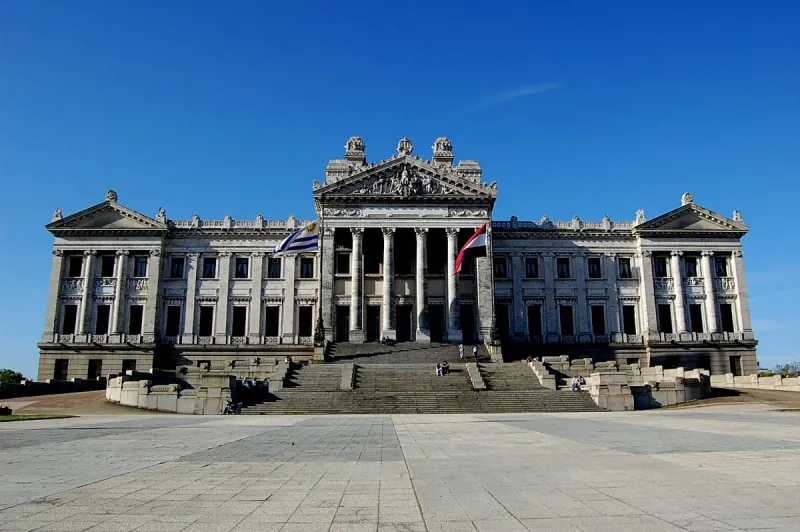
Brief History
Uruguay was contested between Spain and Portugal in the colonial era due to its strategic position along the Río de la Plata, later annexed by Brazil. It achieved independence on August 25, 1825, under the leadership of José Gervasio Artigas and the Thirty-Three Orientals, establishing a republic after a war with Brazil. The country developed a progressive welfare state under President José Batlle y Ordóñez in the early 20th century, earning it the nickname "Switzerland of South America." A period of military dictatorship ended in 1985, restoring its status as one of South America's most stable democracies.
Key Demographics & Capital
Uruguay has a population of approximately 3.4 million, characterized by high ethnic homogeneity with over 90% of the population claiming European (primarily Spanish and Italian) ancestry. Spanish is the official language, spoken with a Rioplatense accent and incorporating regional slang (lunfardo). The population is highly urbanized, with over 95% of residents living in cities, and more than 40% concentrated in the capital, Montevideo. The country has a low birth rate and high life expectancy, yielding a demographically older population.
Geography
Uruguay is a small country on South America's southeastern coast. The landscape is predominantly rolling grasslands (pampas) and low hills, with a coastline along the Río de la Plata estuary and Atlantic Ocean. There are no mountains. Rivers and streams cross the fertile landscape. The coastline features resort beaches.
Culture & Tradition
Uruguayan culture emphasizes equality, tolerance, and laid-back lifestyle. Mate (yerba mate tea) is consumed everywhere and shared as a social ritual. Asado (barbecue) is a weekend tradition. Tango originated in the Río de la Plata region (shared with Argentina). Carnival in Montevideo features candombe drumming from Afro-Uruguayan heritage. Football is a national passion.
Economy
Uruguay has a stable, high-income economy based on agriculture (beef, soybeans, rice, wool), IT services, tourism, and financial services. The country is a renewable energy leader, generating over 95% of electricity from renewables. Punta del Este attracts wealthy tourists. Uruguay has a strong social safety net and high quality of life.
Travel Highlights
Experience Montevideo's mix of colonial and Art Deco architecture, visit the glamorous beach resort of Punta del Este, explore Colonia del Sacramento's UNESCO-listed historic quarter, taste world-class beef at a parrilla, share mate with locals, and discover the gaucho culture of the countryside. Uruguay offers relaxed, authentic South American charm.
Fun Facts
Uruguay was the first country to legalize marijuana nationwide.
Uruguay hosted and won the first FIFA World Cup in 1930.
The country has more cattle than people.
Uruguay generates over 95% of its electricity from renewables.
Mate tea is the national drink, carried everywhere.
Uruguay is one of the most progressive countries in Latin America.
Map
Bordering & Nearby Countries
Frequently Asked Questions (FAQs)
More from South America
Want a surprise? Try our random South America country generator or pick from the entire world.
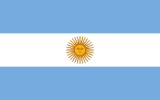
Argentina
Discover Argentina: from Buenos Aires tango to Patagonian glaciers. Explore wine country, Iguazu Falls, and vibrant culture.
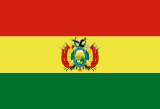
Bolivia
Explore Bolivia: the Salar de Uyuni and world's highest capital. Discover Lake Titicaca, indigenous culture, and Andean adventures.
Brazil
Discover Brazil: home of the Amazon, Carnival, and beautiful beaches. Explore culture, geography, and travel highlights.
Chile
Discover Chile: from the Atacama Desert to Patagonian glaciers. Explore Easter Island, wine country, and diverse landscapes.