
Yemen – Facts, Capital & Geography | Random Country Generator
Capital
Sana'a
Population
33.7 Million (#44)
Currency
Yemeni Rial (YER)
Language
Arabic
Area
527,968 km²
National Dish
Saltah
National Flower
Coffee Blossom
Density
55/km²
Internet TLD
.ye
Brief History
Yemen was home to the ancient Kingdom of Saba (Sheba), which controlled the lucrative frankincense and spice trade routes between India and the Mediterranean. It was partitioned in the 19th century, with the Ottoman Empire controlling the north and the British establishing a protectorate in the south around the port of Aden. North Yemen became an independent republic in 1962, while South Yemen gained independence in 1967, and the two states unified to form the Republic of Yemen on May 22, 1990. The country has been devastated by a civil war since 2014, leading to a severe humanitarian crisis.
Key Demographics & Capital
Yemen has a population of approximately 33.7 million, with ethnic Arabs comprising the vast majority of the population, alongside Afro-Arab and South Asian minorities. Arabic is the sole official language, spoken with distinct regional dialects like San'ani and Adeni. The population is predominantly rural (over 62%), clustered heavily in the fertile western highlands and the mountainous interior regions. The country has a very young population and high fertility rate, with a median age of around 20 years.
Geography
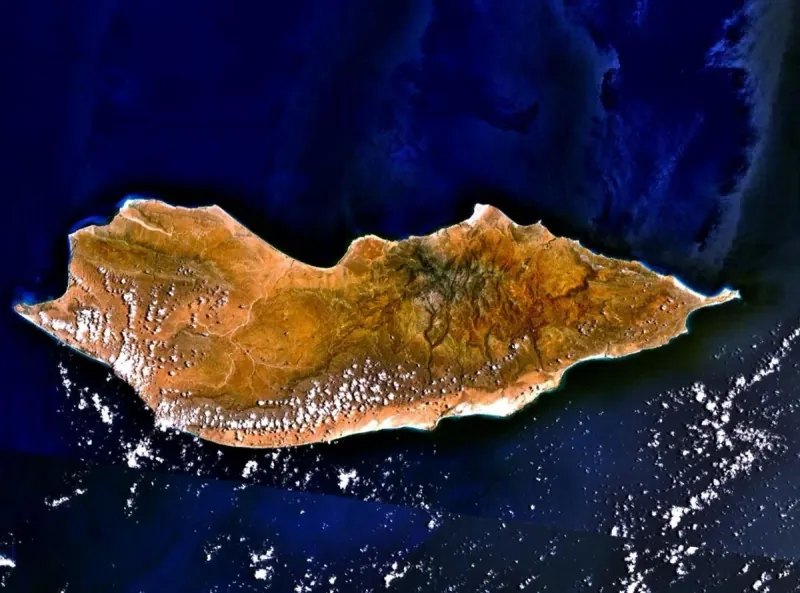
Yemen is at the southwestern tip of the Arabian Peninsula. The landscape ranges from coastal deserts along the Red Sea and Arabian Sea to highland plateaus and mountains over 3,600 meters. Socotra Island in the Arabian Sea has extraordinary endemic biodiversity. The climate varies from hot and humid on the coast to temperate in the highlands.
Culture & Tradition
Yemeni culture is ancient and rich. The Old City of Sana'a features remarkable multi-story mud-brick tower houses. Coffee originated in Yemen's mountains (mocha coffee from the port of Mocha). Qat chewing is an important social custom. Yemeni cuisine features saltah, mandi rice, and honeyed desserts. Traditional daggers (janbiya) are cultural symbols.
Economy
Yemen is the poorest country in the Middle East. The economy has been devastated by conflict. Oil and gas were historically the main revenue sources. Agriculture (coffee, qat) and fishing employ much of the population. The country faces severe humanitarian challenges. Remittances from diaspora workers are crucial.
Travel Highlights
Sana'a's Old City (UNESCO) has extraordinary architecture. Socotra Island offers otherworldly landscapes with dragon blood trees and unique species. The ancient mud-brick skyscrapers of Shibam are called 'Manhattan of the Desert.' The old port city of Aden and the Hadramaut Valley offer historical richness. Travel is severely restricted due to the ongoing conflict.
Fun Facts
Sana'a's Old City has been inhabited for over 2,500 years.
Yemen was home to the ancient Kingdom of Sheba.
The island of Socotra has some of the world's most alien-looking plants.
Yemen is the birthplace of the coffee trade.
Yemeni architecture features distinctive multi-story tower houses.
The dragon blood tree is found only on Socotra.
Map
Bordering & Nearby Countries
Frequently Asked Questions (FAQs)
More from Asia
Want a surprise? Try our random Asia country generator or pick from the entire world.
Afghanistan
Discover Afghanistan: Hindu Kush mountains and ancient Silk Road heritage. Explore Bamiyan Valley, Herat's architecture, and Afghan culture.
Armenia
Explore Armenia: first Christian nation. Discover ancient monasteries, Lake Sevan, and Caucasus mountain heritage.

Azerbaijan
Explore Azerbaijan: Land of Fire. Discover Baku's Flame Towers, ancient walled city, mud volcanoes, and Caspian Sea heritage.

Bahrain
Explore Bahrain: ancient Dilmun heritage and modern Gulf culture. Discover pearl diving history, Formula One, and island archipelago charm.