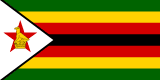
Zimbabwe – Facts, Capital & Geography | Random Country Generator
Capital
Harare
Population
16.3 Million (#73)
Currency
Zimbabwe Gold (ZiG)
Language
English, Shona, Ndebele
Area
390,757 km²
National Dish
Sadza
National Flower
Flame Lily
Density
37/km²
Internet TLD
.zw
Brief History
Zimbabwe was the seat of the medieval Kingdom of Zimbabwe, which built the monumental Great Zimbabwe stone complex between the 11th and 15th centuries. It was colonized by Cecil Rhodes' British South Africa Company in the late 19th century, becoming the self-governing British colony of Southern Rhodesia and later the white-minority ruled state of Rhodesia. A long guerrilla war led by Robert Mugabe resulted in black-majority rule and formal independence on April 18, 1980. Mugabe's controversial land reform program in 2000 led to hyperinflation and international isolation, ending with his ouster in 2017.
Key Demographics & Capital
Zimbabwe has a population of approximately 16.3 million, with ethnic Shona comprising over 82% of the residents, and Ndebele forming the largest ethnic minority at 14%. The country recognizes 16 official languages under its constitution, with English, Shona, and Ndebele being the most widely spoken. The population is predominantly rural, concentrated in the central plateau regions, while the hot, low-lying Zambezi and Limpopo valleys are sparsely populated. Zimbabwe has experienced high levels of emigration, with millions of citizens living in South Africa and the UK.
Geography
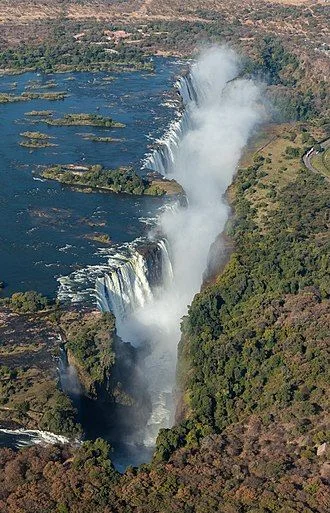
Zimbabwe is a landlocked country in Southern Africa. The landscape features high central plateaus, the Eastern Highlands mountains, and the Zambezi Valley. Victoria Falls on the northern border is one of the world's largest waterfalls. The country has diverse ecosystems from dry bushveld to montane forests.
Culture & Tradition
Zimbabwean culture is rooted in Shona and Ndebele traditions. Stone sculpture is a renowned art form. Music features mbira (thumb piano) and marimba. The Great Zimbabwe ruins represent a remarkable medieval civilization. Traditional dance and storytelling remain important. Thomas Mapfumo pioneered chimurenga music.
Economy
Zimbabwe's economy relies on mining (platinum, gold, chrome, diamonds), agriculture (tobacco, cotton), and tourism. The country has experienced economic challenges including hyperinflation and currency instability. Agriculture was historically the backbone of the economy. Tourism centered on Victoria Falls is a major earner.
Travel Highlights
Experience Victoria Falls from the Zimbabwean side, explore Great Zimbabwe ruins (UNESCO), go on safari in Hwange National Park, visit Matobo Hills for rock art and rhinos, canoe on Lake Kariba, and hike in the Eastern Highlands. Mana Pools National Park offers exceptional walking safaris.
Fun Facts
Great Zimbabwe ruins gave the country its name.
Victoria Falls is one of the Seven Natural Wonders of the World.
Zimbabwe experienced hyperinflation reaching 79.6 billion percent in 2008.
The Zimbabwe Bird is the national emblem.
Hwange National Park is one of Africa's largest.
Zimbabwe has one of the highest literacy rates in Africa.
Map
Bordering & Nearby Countries
Frequently Asked Questions (FAQs)
More from Africa
Want a surprise? Try our random Africa country generator or pick from the entire world.
Algeria
Discover Algeria: Africa's largest country. From Saharan landscapes to Mediterranean coasts, explore ancient ruins and Berber culture.
Angola
Explore Angola: from Kalandula Falls to Atlantic beaches. Discover vibrant culture, wildlife, and Southern African landscapes.
Benin
Discover Benin: birthplace of Voodoo. Explore Dahomey palaces, floating villages, and rich West African traditions.
Botswana
Explore Botswana: home of the Okavango Delta and incredible safaris. Discover elephants, Kalahari landscapes, and African wilderness.