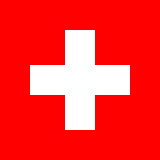
Switzerland – Facts, Capital & Geography | Random Country Generator
Capital
Bern
Population
8.8 Million (#99)
Currency
Swiss Franc (CHF)
Language
German, French, Italian, Romansh
Area
41,285 km²
National Dish
Fondue
National Flower
Edelweiss
Density
219/km²
Internet TLD
.ch
Brief History
Switzerland began in 1291 as a defensive alliance of three forest cantons (Uri, Schwyz, and Unterwalden), expanding over centuries to form the Old Swiss Confederacy. The Treaty of Westphalia in 1448 recognized its independence from the Holy Roman Empire, and the Congress of Vienna in 1815 established its permanent international neutrality. It adopted a federal constitution in 1848.
Key Demographics & Capital
Switzerland has a population of approximately 8.8 million, with German, French, Italian, and Romansh serving as the official national languages. The population has seen significant immigrant diversity (about 26% foreign-born). Around 74% of the population lives in urban areas, concentrated in the central plateau between the Alps and the Jura mountains, particularly around Zurich, Geneva, and Basel.
Geography
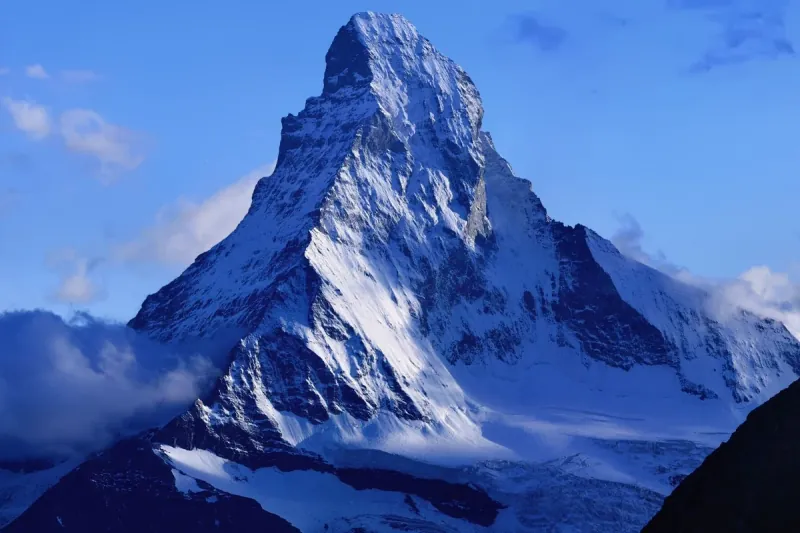
Switzerland is a landlocked country in Central Europe, famous for the Alps which cover about 60% of the country. Crystal-clear lakes (Geneva, Zurich, Lucerne), alpine meadows, and glaciers define the landscape. The Jungfrau, Matterhorn, and Eiger are iconic peaks. The Swiss Plateau between the Alps and Jura Mountains is where most of the population lives.
Culture & Tradition
Swiss culture reflects its multilingual character with German, French, Italian, and Romansh traditions. The country is synonymous with precision (watchmaking), banking, chocolate, and cheese (fondue, raclette). Yodeling, alphorn playing, and Swiss wrestling are traditional practices. Switzerland values neutrality, democracy (direct democracy with frequent referendums), and privacy.
Economy
Switzerland has one of the world's highest GDPs per capita. Key sectors include financial services (banking, insurance), pharmaceuticals (Novartis, Roche), watchmaking (Rolex, Swatch), precision engineering, and food (Nestlé). Zurich and Geneva are major financial centers. Switzerland is a hub for international organizations and diplomacy.
Travel Highlights
Ride scenic trains (Glacier Express, Bernina Express), ski in world-class resorts (Zermatt, St. Moritz, Verbier), visit the Matterhorn, explore Lucerne's medieval charm, cruise Lake Geneva, and discover Bern's old town (UNESCO site). Interlaken offers adventure sports, Jungfraujoch is the 'Top of Europe', and Swiss cities combine culture with stunning natural settings.
Fun Facts
Switzerland has four official languages: German, French, Italian, and Romansh.
Swiss chocolate consumption is the highest in the world per capita.
Switzerland has remained neutral in wars since 1815.
Every Swiss citizen is required to have access to a nuclear shelter.
The Swiss rail system is one of the densest in the world.
Switzerland is home to the headquarters of many international organizations.
Map
Bordering & Nearby Countries
Frequently Asked Questions (FAQs)
More from Europe
Want a surprise? Try our random Europe country generator or pick from the entire world.
Albania
Explore Albania: Europe's last hidden gem. Discover pristine beaches, ancient cities, and dramatic Albanian Alps.
Andorra
Explore Andorra: tiny mountain principality in the Pyrenees. Discover skiing, duty-free shopping, and Romanesque heritage.
Austria
Explore Austria: land of Mozart, Alpine peaks, and Viennese culture. Discover Salzburg, ski resorts, and Habsburg heritage.
Belarus
Explore Belarus: Europe's last primeval forest and medieval castles. Discover Belovezhskaya Pushcha, Mir Castle, and Slavic heritage.