
Germany – Facts, Capital & Geography | Random Country Generator
Capital
Berlin
Population
83.2 Million (#19)
Currency
Euro (EUR)
Language
German
Area
357,114 km²
National Dish
Sauerbraten
National Flower
Cornflower
Density
234/km²
Internet TLD
.de
Brief History
Germany's territory was inhabited by Germanic tribes in antiquity, later forming the core of the Holy Roman Empire established under Charlemagne. Following the Protestant Reformation and the Napoleonic Wars, the German Empire was unified in 1871 under Prussian leadership (Otto von Bismarck). Defeat in WWII led to the nation's partition into East and West Germany, culminating in the historic fall of the Berlin Wall in 1989 and reunification on October 3, 1990.
Key Demographics & Capital
Germany has a population of approximately 83.2 million, making it the most populous nation in the European Union. German is the official language. The population is characterized by a low birth rate and an aging demographic, balanced by significant waves of immigration, particularly from Turkey, Poland, Syria, and Ukraine. Over 77% of the population resides in urban areas and major metropolitan regions.
Geography
Germany is located in Central Europe, bordered by nine countries. The landscape ranges from the North Sea and Baltic Sea coasts to the Bavarian Alps in the south. The Rhine, Elbe, and Danube rivers flow through the country. Germany features the Black Forest, rolling hills, fertile plains, and numerous lakes.
Culture & Tradition
Germany has made enormous contributions to philosophy (Kant, Nietzsche), music (Bach, Beethoven), literature (Goethe, Mann), and science (Einstein, Planck). The country is known for engineering excellence, beer culture, and Christmas markets. Regional traditions vary significantly between Bavaria, the Rhineland, and northern Germany. Football is the most popular sport.
Economy
Germany has the largest economy in Europe and fourth-largest globally. It is the world's third-largest exporter, known for automobiles (BMW, Mercedes, Volkswagen), machinery, chemicals, and electronics. The 'Mittelstand' — small and medium enterprises — form the backbone of the economy. Germany is also a leader in renewable energy, especially wind and solar.
Travel Highlights
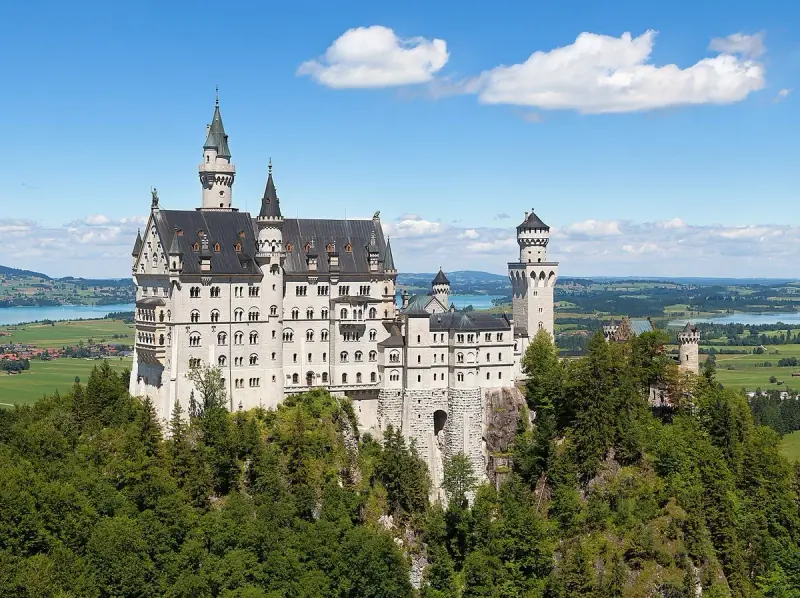
Explore Berlin's vibrant culture and history, visit Neuschwanstein Castle (the inspiration for Disney's castle), drive the Romantic Road, experience Munich's Oktoberfest, and cruise the Rhine Valley with its vineyards and castles. The Black Forest and Bavaria offer beautiful hiking, while Dresden and Hamburg showcase unique architecture.
Fun Facts
Germany has over 1,500 different beers.
Oktoberfest in Munich attracts over 6 million visitors annually.
Germany is home to over 20,000 castles.
The first printed book was produced in Germany by Gutenberg.
Germany has no speed limit on parts of the Autobahn.
Bread is a cultural staple with over 3,200 recognized varieties.
Map
Bordering & Nearby Countries
Frequently Asked Questions (FAQs)
More from Europe
Want a surprise? Try our random Europe country generator or pick from the entire world.
Albania
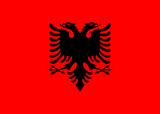
Explore Albania: Europe's last hidden gem. Discover pristine beaches, ancient cities, and dramatic Albanian Alps.
Andorra
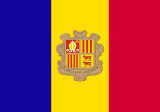
Explore Andorra: tiny mountain principality in the Pyrenees. Discover skiing, duty-free shopping, and Romanesque heritage.
Austria
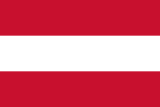
Explore Austria: land of Mozart, Alpine peaks, and Viennese culture. Discover Salzburg, ski resorts, and Habsburg heritage.
Belarus
Explore Belarus: Europe's last primeval forest and medieval castles. Discover Belovezhskaya Pushcha, Mir Castle, and Slavic heritage.