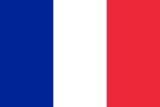
France – Facts, Capital & Geography | Random Country Generator
Capital
Paris
Population
67.8 Million (#21)
Currency
Euro (EUR)
Language
French
Area
551,695 km²
National Dish
Pot-au-Feu
National Flower
Fleur-de-Lis (Iris)
Density
119/km²
Internet TLD
.fr
Brief History
Originally inhabited by Celtic tribes (Gauls) and conquered by the Roman Empire, France emerged as a unified kingdom under the Merovingian and Carolingian dynasties (with Charlemagne as Emperor). The Middle Ages saw intense territorial conflicts like the Hundred Years' War. The French Revolution of 1789 abolished absolute monarchy, introducing the Declaration of the Rights of Man and establishing republican ideals. Through Napoleonic regimes and subsequent world wars, France solidified its position as a central pillar of European integration and international diplomacy.
Key Demographics & Capital
France is populated by approximately 68 million people, characterized by a culturally diverse demographic composition reflecting historical migrations and modern international integration. The official language is French, which is protected as a core aspect of national identity. The population is concentrated in metropolitan areas, with Paris, Lyon, Marseille, and Lille being major urban centers. France holds a long-standing tradition of secularism (laïcité) within its public administration.
Geography
France is Western Europe's largest country, featuring diverse landscapes from the Alps and Pyrenees mountains to the Mediterranean and Atlantic coastlines. The country includes fertile plains, river valleys (Seine, Loire, Rhone), and the volcanic Massif Central. France also has overseas territories in the Caribbean, Pacific, and Indian Ocean.
Culture & Tradition
France is synonymous with art, fashion, gastronomy, and philosophy. Paris, the 'City of Light,' has been a cultural epicenter for centuries. French cuisine is UNESCO-listed as an Intangible Cultural Heritage. The country has produced legendary artists (Monet, Renoir), writers (Hugo, Camus), and fashion houses (Chanel, Dior). Wine culture is deeply embedded in French identity.
Economy
France has the seventh-largest economy globally. Key sectors include aerospace (Airbus), luxury goods (LVMH), agriculture, tourism, and energy (nuclear power provides about 70% of electricity). The country is a major agricultural producer in Europe, especially for wine, wheat, and dairy products.
Travel Highlights
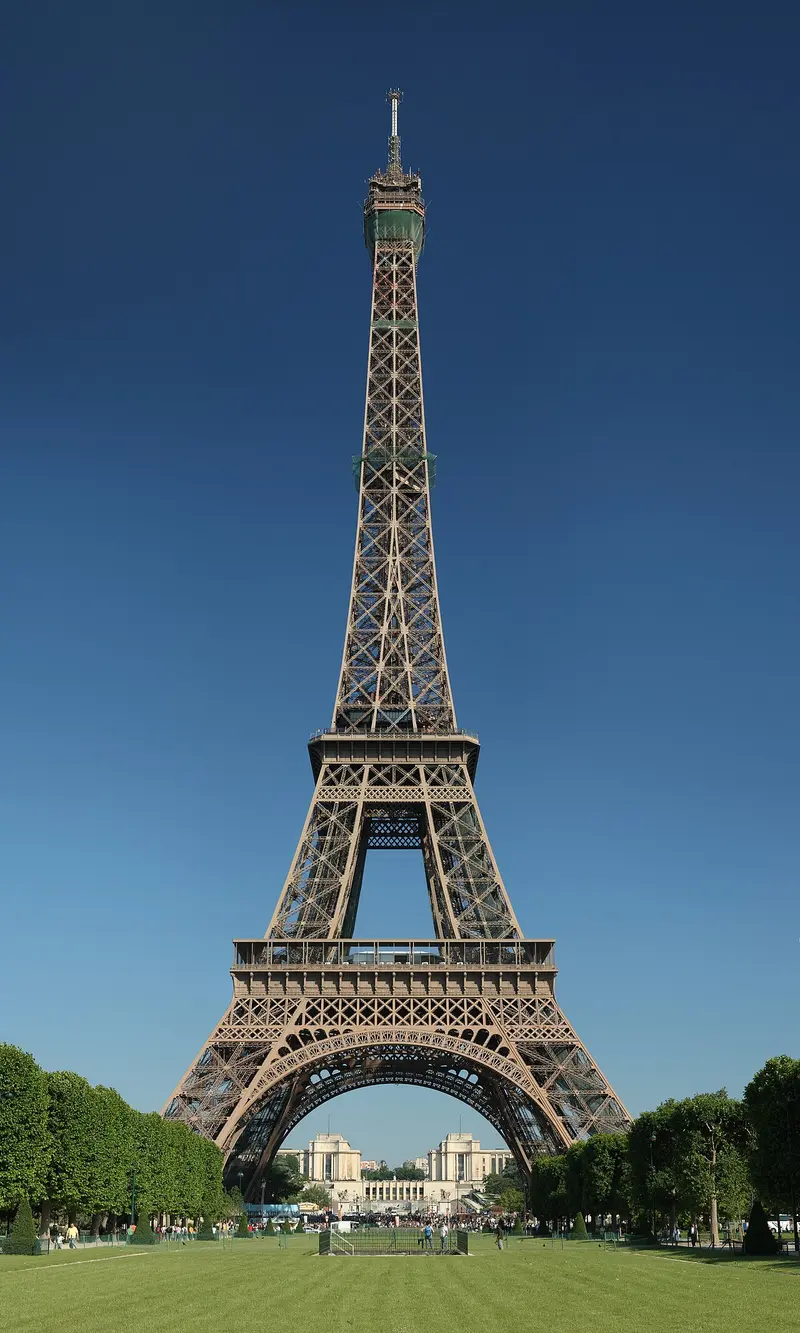
Beyond Paris and the Eiffel Tower, explore the lavender fields of Provence, the châteaux of the Loire Valley, the glamour of the French Riviera, and the medieval charm of Carcassonne. Wine enthusiasts should visit Bordeaux, Burgundy, and Champagne. The French Alps offer world-class skiing.
Fun Facts
France is the most visited country in the world.
The Eiffel Tower was supposed to be temporary.
France produces over 1,200 varieties of cheese.
The Louvre is the world's largest art museum.
France gave the Statue of Liberty to the United States.
French was the official language of England for about 300 years.
Map
Bordering & Nearby Countries
Frequently Asked Questions (FAQs)
More from Europe
Want a surprise? Try our random Europe country generator or pick from the entire world.
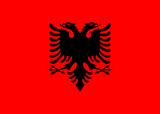
Albania
Explore Albania: Europe's last hidden gem. Discover pristine beaches, ancient cities, and dramatic Albanian Alps.
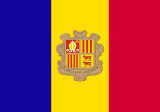
Andorra
Explore Andorra: tiny mountain principality in the Pyrenees. Discover skiing, duty-free shopping, and Romanesque heritage.
Austria
Explore Austria: land of Mozart, Alpine peaks, and Viennese culture. Discover Salzburg, ski resorts, and Habsburg heritage.
Belarus
Explore Belarus: Europe's last primeval forest and medieval castles. Discover Belovezhskaya Pushcha, Mir Castle, and Slavic heritage.