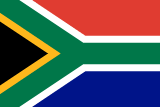
South Africa – Facts, Capital & Geography | Random Country Generator
Capital
Pretoria
Population
60.0 Million (#24)
Currency
South African Rand (ZAR)
Language
Zulu, Xhosa, Afrikaans, English
Area
1,221,037 km²
National Dish
Braai
National Flower
King Protea
Density
49/km²
Internet TLD
.za
Brief History
South Africa was inhabited by San and Bantu groups before Dutch colonizers founded Cape Town in 1652, later contested by Great Britain. The discovery of gold and diamonds led to the Anglo-Boer Wars, culminating in the Union of South Africa in 1910. The white-minority government established the formal system of apartheid in 1948. Following decades of struggle led by Nelson Mandela, the country held its first democratic elections in 1994.
Key Demographics & Capital
South Africa has a population of approximately 60 million, presenting a diverse demographic mix: Black Africans comprise over 80% of the population, Coloured (mixed race) make up 8.8%, and White South Africans make up 7.8%. The country has 11 official languages, with Zulu, Xhosa, and Afrikaans being the most widely spoken. The population is highly urbanized (over 68%), concentrated in Gauteng.
Geography
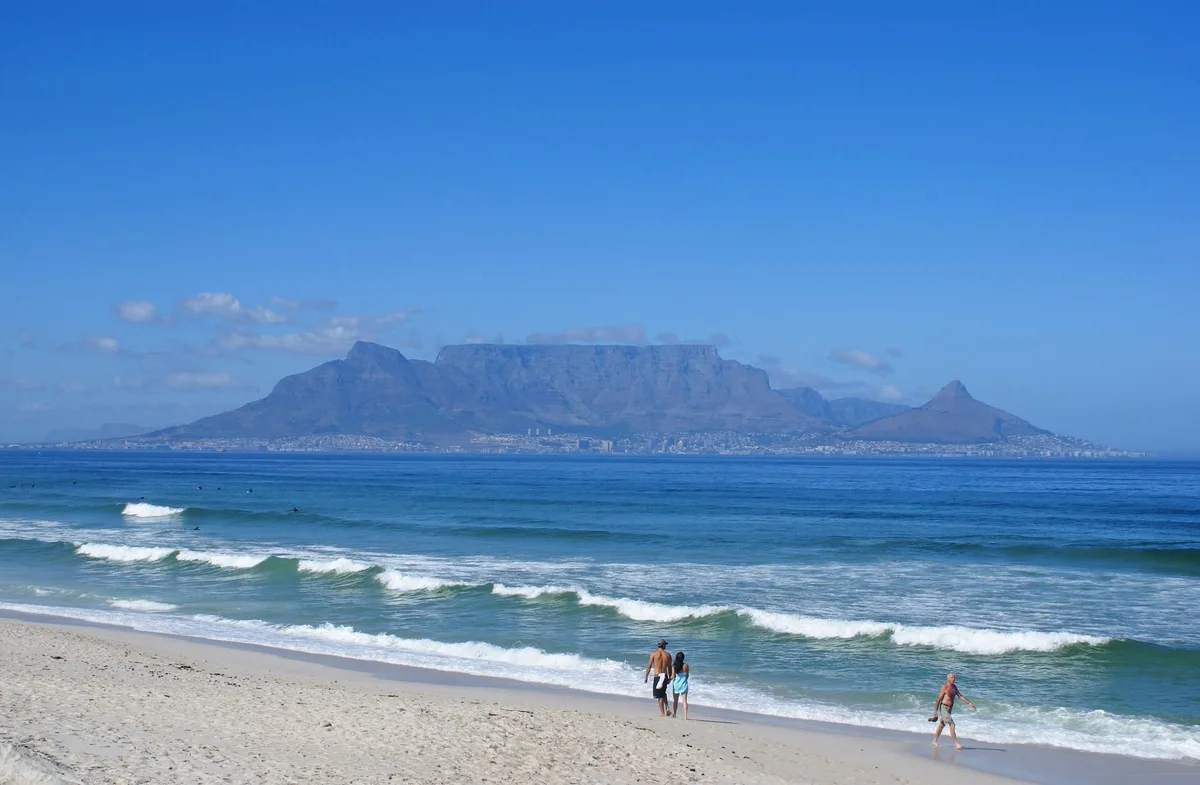
South Africa occupies the southern tip of Africa, bordered by two oceans — the Atlantic and Indian. The landscape includes the Drakensberg Mountains, the semi-arid Karoo, lush Garden Route coastline, and bushveld savannas. Table Mountain overlooking Cape Town is an iconic flat-topped landmark. The country has remarkable biodiversity.
Culture & Tradition
South Africa is called the 'Rainbow Nation' for its cultural diversity. The country's history includes both the rich heritage of Indigenous peoples (Zulu, Xhosa, San) and the complex legacy of apartheid. Today, South Africa celebrates diversity through music (kwaito, Afrobeat), art, and cuisine (braai/barbecue culture). Nelson Mandela's legacy of reconciliation shapes national identity.
Economy
South Africa has the most industrialized economy in Africa. Mining (gold, platinum, diamonds), financial services, manufacturing, and tourism are key sectors. Johannesburg is the financial hub. Wine production in the Western Cape is internationally acclaimed. Challenges include unemployment and inequality, but the country has a strong entrepreneurial spirit.
Travel Highlights
Experience Cape Town's Table Mountain and waterfront, go on safari in Kruger National Park, drive the stunning Garden Route, visit the historic Robben Island, and explore the Winelands of Stellenbosch and Franschhoek. The Wild Coast offers rugged beauty, while Durban has warm Indian Ocean beaches.
Fun Facts
South Africa has three capital cities: Pretoria, Cape Town, and Bloemfontein.
South Africa has 11 official languages.
Table Mountain is one of the oldest mountains in the world.
South Africa is the only country to have voluntarily dismantled its nuclear weapons.
The world's largest diamond was found in South Africa.
South Africa is home to the world's largest individually-billed land animal, the African elephant.
Map
Bordering & Nearby Countries
Frequently Asked Questions (FAQs)
More from Africa
Want a surprise? Try our random Africa country generator or pick from the entire world.
Algeria
Discover Algeria: Africa's largest country. From Saharan landscapes to Mediterranean coasts, explore ancient ruins and Berber culture.
Angola
Explore Angola: from Kalandula Falls to Atlantic beaches. Discover vibrant culture, wildlife, and Southern African landscapes.
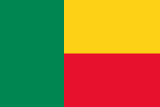
Benin
Discover Benin: birthplace of Voodoo. Explore Dahomey palaces, floating villages, and rich West African traditions.
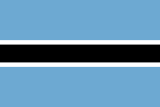
Botswana
Explore Botswana: home of the Okavango Delta and incredible safaris. Discover elephants, Kalahari landscapes, and African wilderness.