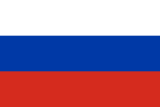
Russia – Facts, Capital & Geography | Random Country Generator
Capital
Moscow
Population
144.0 Million (#9)
Currency
Russian Ruble (RUB)
Language
Russian
Area
17,098,242 km²
National Dish
Beef Stroganoff
National Flower
Chamomile
Density
9/km²
Internet TLD
.ru
Brief History
Russia's historical lineage traces back to the medieval federation of Kievan Rus', followed by Mongol dominance and the rise of the Grand Duchy of Moscow under Ivan the Great. Ivan the Terrible declared the Tsardom of Russia in 1547, later expanded into the vast Russian Empire under Peter the Great and Catherine the Great. The Russian Revolution of 1917 overthrew the monarchy, establishing the Soviet Union under Vladimir Lenin. Russia emerged as an independent federation in 1991.
Key Demographics & Capital
Russia has a population of approximately 146 million, making it the most populous nation in Europe. While ethnic Russians comprise over 77% of the total population, the country recognizes over 190 distinct ethnic groups, including Tatars (3.7%), Ukrainians (1.4%), and Bashkirs. Russian is the official national language, alongside over 35 co-official languages in autonomous republics. The population is highly urbanized (75%).
Geography
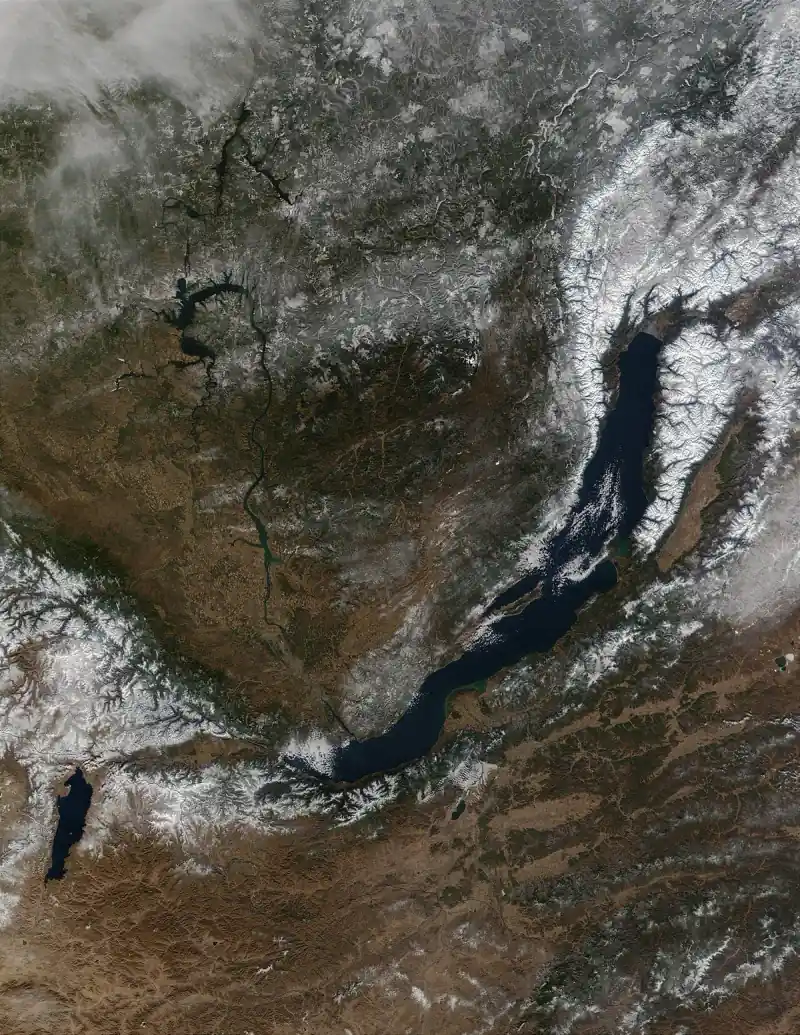
Russia is the world's largest country, spanning Europe and Asia across 11 time zones. The landscape includes vast Siberian taiga (world's largest forest), Arctic tundra, the Ural Mountains, steppes, Lake Baikal (deepest lake), the Caucasus Mountains, and Pacific coastline. European Russia has the East European Plain while Asian Russia is dominated by Siberia.
Culture & Tradition
Russian culture has produced extraordinary contributions to literature (Tolstoy, Dostoevsky), music (Tchaikovsky, Rachmaninoff), ballet (Bolshoi), and visual arts. The Orthodox Church shapes cultural traditions. Russian cuisine features borscht, blini, pelmeni, and vodka culture. Matryoshka dolls and Fabergé eggs are cultural icons. Russian hospitality involves elaborate meals.
Economy
Russia has one of the world's largest economies, driven by oil and gas exports, mining, agriculture, and defense industry. The country has vast natural resources including oil, gas, timber, and minerals. Nuclear energy and space technology are advanced. Sanctions have impacted the economy significantly in recent years.
Travel Highlights
Explore Moscow's Red Square and Kremlin, visit St. Petersburg's Hermitage Museum and palaces, ride the Trans-Siberian Railway, discover Lake Baikal's stunning beauty, visit the Golden Ring cities, explore Kamchatka's volcanoes, and experience Russian ballet. Russia offers scale and grandeur unlike any other country.
Fun Facts
Russia is the world's largest country, spanning 11 time zones.
Lake Baikal is the world's deepest and oldest freshwater lake.
The Moscow Metro has some of the most beautiful stations in the world.
Russia has over 100 ethnic groups.
The Trans-Siberian Railway is the longest railway in the world.
The Hermitage Museum has over 3 million items.
Map
Bordering & Nearby Countries
Frequently Asked Questions (FAQs)
More from Europe
Want a surprise? Try our random Europe country generator or pick from the entire world.
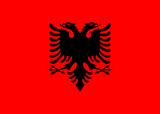
Albania
Explore Albania: Europe's last hidden gem. Discover pristine beaches, ancient cities, and dramatic Albanian Alps.
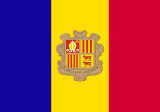
Andorra
Explore Andorra: tiny mountain principality in the Pyrenees. Discover skiing, duty-free shopping, and Romanesque heritage.
Austria
Explore Austria: land of Mozart, Alpine peaks, and Viennese culture. Discover Salzburg, ski resorts, and Habsburg heritage.
Belarus
Explore Belarus: Europe's last primeval forest and medieval castles. Discover Belovezhskaya Pushcha, Mir Castle, and Slavic heritage.